







Search Results for: coffee parameters
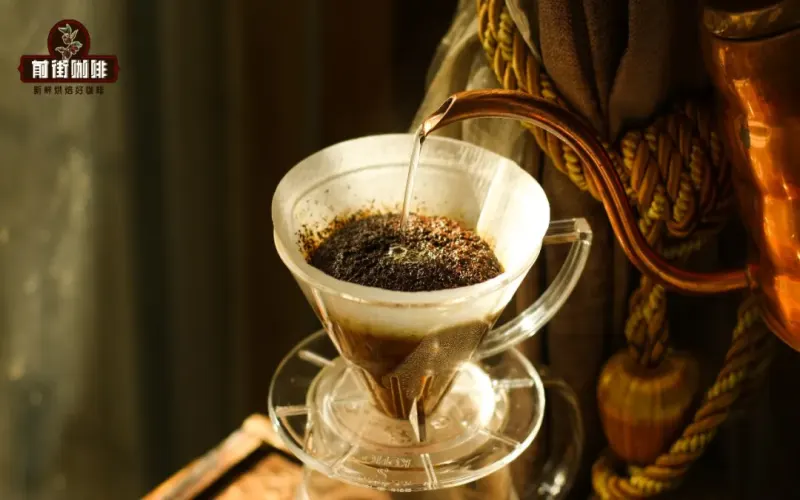
Hand-Pour Coffee for Absolute Beginners: A Practical Guide from Tasting and Journaling to Flexible Parameter Adjustment
Many people who are just getting into pour-over coffee feel that the barrier to entry is high, but in fact, as long as you grasp the four core parameters of grind, water temperature, ratio, and time, brewing good coffee is not difficult. This article starts from a beginner's perspective and shares three practical tips for getting up to speed quickly: first, learn how to taste a cup of coffee, and build flavor judgment through drinking more and comparing, using cupping when necessary to understand the normal state of the beans; second, develop the habit of record-keeping, systematically tracking bean information, brewing parameters, and final performance, and learn to control variables to understand the impact of each parameter on extraction; finally, on the basis of familiarity with the logic of the parameters, adjust flexibly and make targeted corrections for problems such as under-extraction. In the article, Front Street Coffee uses Huakui as an example, giving specific parameters and adjustment ideas to help beginners avoid detours. [more…]
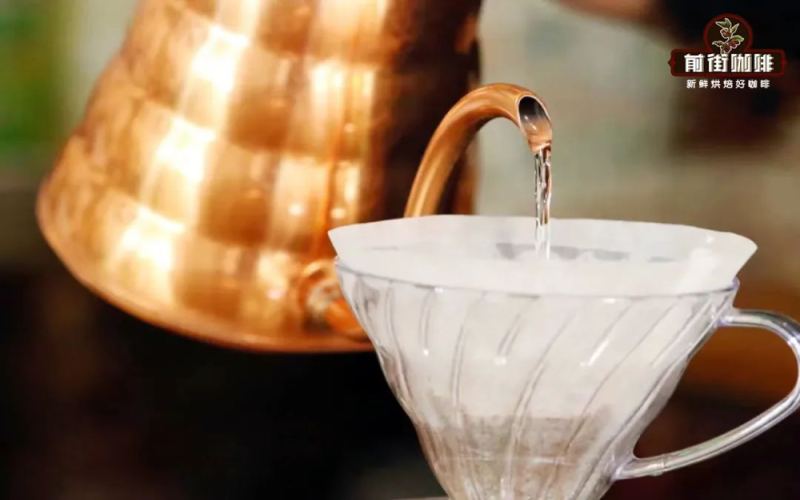
A Complete Analysis of Pour-Over Coffee Parameters: Scientific Adjustment Approaches to Coffee-to-Water Ratio, Grind Size, Water Temperature, and Time
Many coffee enthusiasts make a point of visiting Front Street Coffee, drawn not only by the impressive variety of coffee beans but also by the baristas' brewing skills, which never fail to impress. When it comes to brewing a great cup of coffee, does it ultimately come down to hands-on technique or mental understanding? Front Street Coffee believes that water flow control and pouring are merely the basics. What truly determines the flavor direction is a deep understanding of the four key parameters: grind size, coffee-to-water ratio, water temperature, and time. This article will systematically lay out ways to improve your pour-over skills, from the interconnected relationships between parameters and methods for categorizing coffee bean characteristics to practical tips for keeping brewing records. Whether you are a beginner just getting into pour-over or an experienced brewer looking to break through a plateau, you'll find actionable guidance here. [more…]
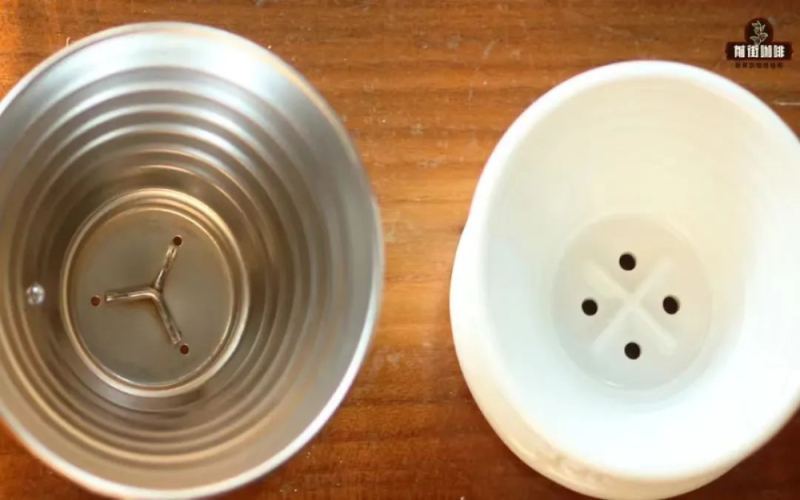
How do filter cup shape and flow rate influence pour-over parameters? How should extraction time be reasonably set?
Many coffee enthusiasts often wonder after switching filter cups: can the original pour-over parameters still be used, and exactly how long should the extraction time be controlled to be considered appropriate. Starting from the differences in filter cup shape and flow rate, and combined with Front Street Coffee's measured data, this article compares the extraction performance and flavor differences of the V60 and flat-bottom cake filter cup under the same parameters, explaining that the real purpose of parameter adjustment is not to pursue fixed values, but to serve the ideal taste. The article also provides a ranking of the flow rates of common filter cups, helping readers understand the relationship between filter cup characteristics and extraction time, so as to formulate brewing plans more flexibly. [more…]
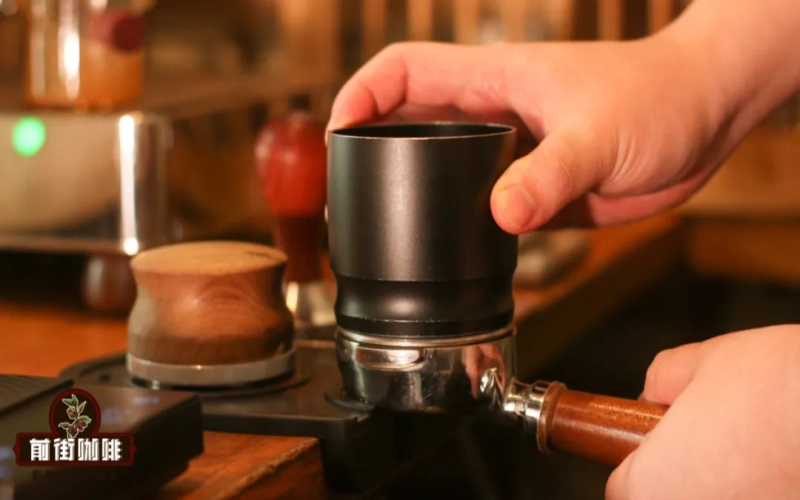
How to judge and adjust espresso extraction parameters? An analysis of the causes of channeling and uneven extraction
Many friends who are just getting into espresso often wonder: when exactly should you adjust extraction parameters, and how should you adjust them? In fact, judging whether a shot of espresso is normal cannot rely only on numbers like dose, yield, and time—it also requires evaluating the flow condition and final taste together. Drawing on Front Street's hands-on experience, this article explains that parameters fluctuate every day due to factors such as weather and bean condition, and uses the specific case of Front Street's classic blend to explain how to judge under-extraction or over-extraction by observing flow speed, the stability of the liquid stream, and tasting acidity and bitterness, while also giving the corresponding adjustment directions, including fine-tuning the dose, yield, or grind size. [more…]
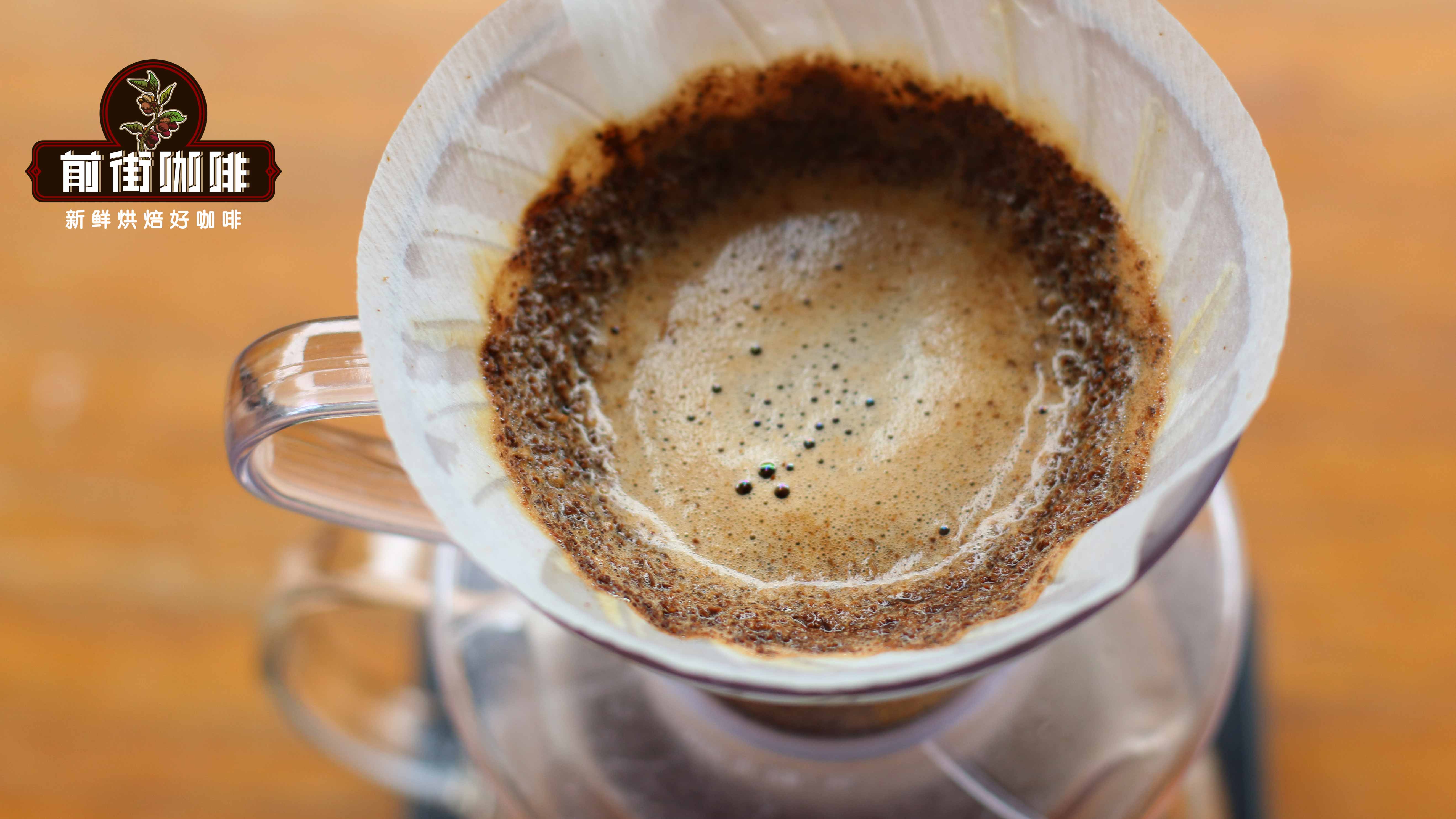
Pour-over coffee knowledge | How can coffee novices improve the quality of their pour-over coffee? How to understand coffee server parameters? How to identify the characteristics of coffee bean origins, varieties, and roast levels?
Many friends have come to visit Front Street Coffee, drawn by its reputation. Besides marveling at the wide variety of coffee beans, they also greatly admire the baristas' brewing skills. Among them, many want to discuss pour-over brewing with the baristas. So Front Street Coffee takes this opportunity to share some thoughts on how to improve coffee brewing skills. Before that, Front Street Coffee asked [more…]
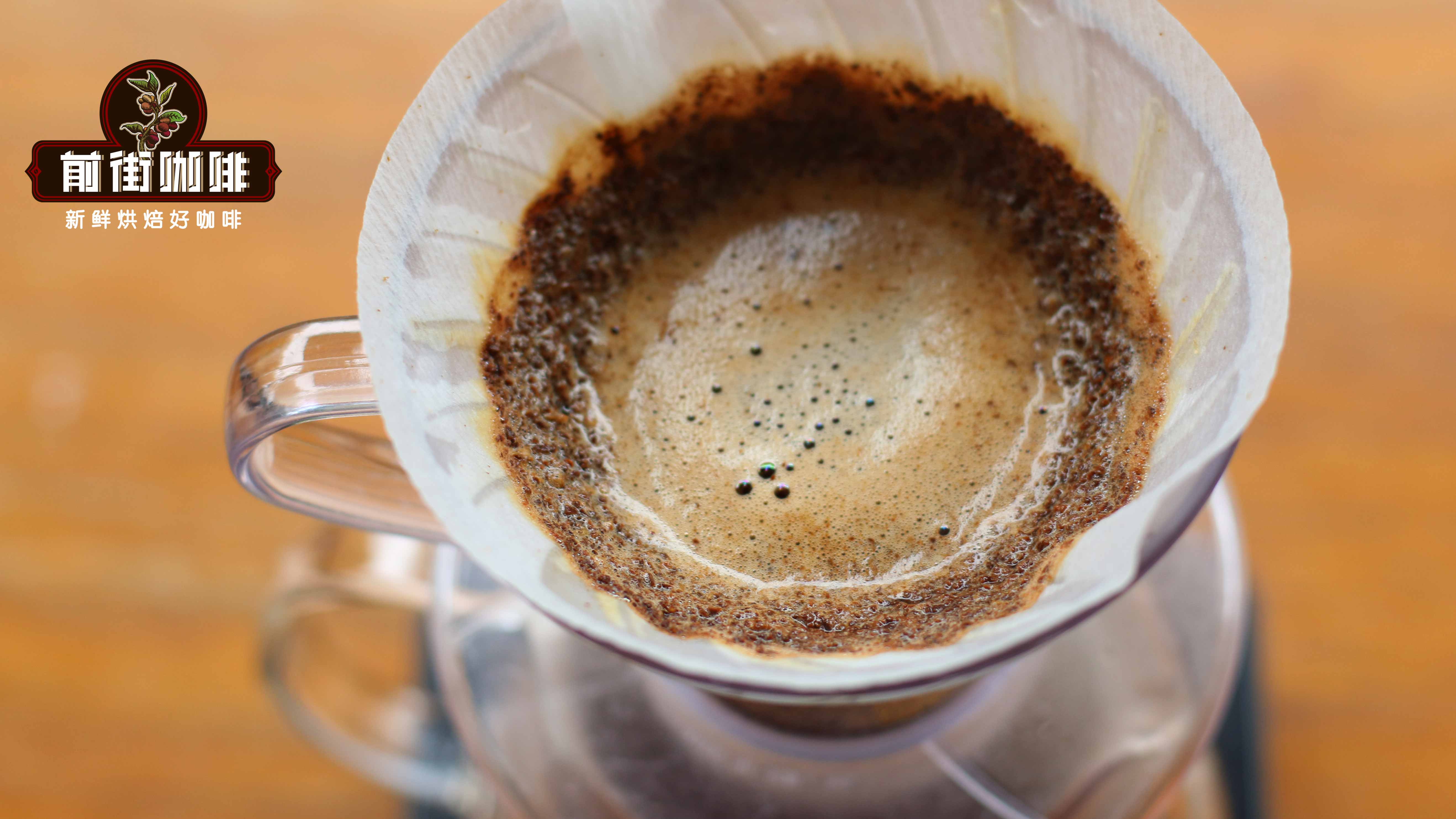
From pouring techniques to parameter records: practical approaches to systematically improve pour-over coffee across four dimensions
Many coffee enthusiasts come to Front Street Coffee, and besides being amazed by the rich bean list, they are also full of curiosity about the barista's brewing technique. Does pour-over rely on hand strength or brainpower? The answer is actually the latter. Water control and circular pouring are just basic entry-level skills. What truly determines the quality of a cup of coffee is the understanding of the relationships among parameters such as grind size, coffee-to-water ratio, water temperature, and time, as well as knowledge of the coffee bean's producing region characteristics and roast level. Starting from Front Street Coffee's brewing practice, this article sorts out four directions for improvement: solid pouring training, establishing parameter logic, categorizing bean characteristics, and recording and reviewing after each brew, helping pour-over beginners find a clear path for advancement. [more…]

How to brew unfamiliar coffee beans perfectly in one go? Determine pour-over parameters for light and dark roasts based on roast level and density
Buying a bag of unfamiliar coffee beans, the biggest fear is using the wrong parameters and wasting good beans for nothing. In fact, even without an existing brewing recipe on hand, you can judge whether the beans suit a high-efficiency or low-efficiency extraction method by observing their roast level and density, and thereby set the appropriate water temperature, grind size, and ratio. In this article, Front Street Coffee will walk you through starting from flavor descriptions and bean hardness, breaking down the differences between light-roast and dark-roast coffee beans step by step, and using two beans—Ethiopian Huakui and PWN Golden Mandheling—as examples to provide directly referenceable pour-over parameters, so you can brew confidently even when facing new beans. [more…]
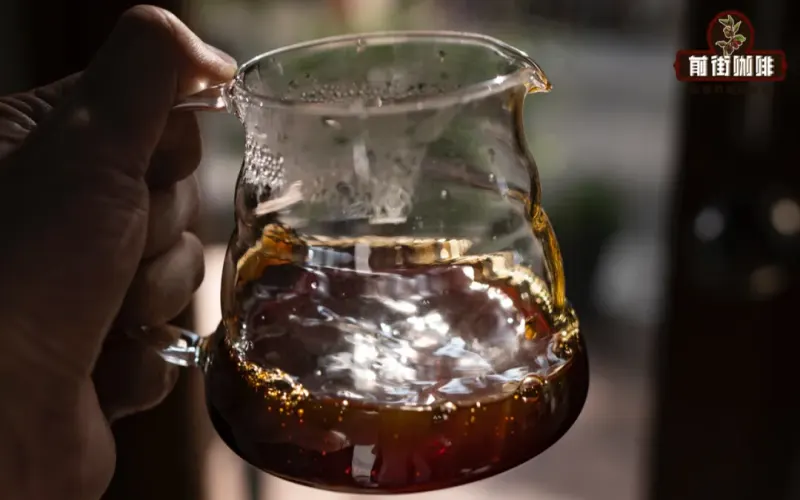
Pour-over coffee lacking aroma and thin in flavor? Analyzing parameter adjustments for light and dark roasts from the perspective of strength and extraction yield
Ever brewed the same coffee beans at home, only to find it never tastes as rich as what you get in a café? The problem usually lies in strength or extraction yield. Insufficient strength often comes from using too much water and diluting the coffee, while under-extraction stems from poorly tuned parameters like water temperature, grind size, and brew time. This article breaks down in detail how to improve the flavor by adjusting the coffee-to-water ratio, water temperature, and grind size, and shares two sets of brewing parameters from Front Street for medium-light and medium-dark roasted coffee beans, helping you easily brew pour-over coffee with full aroma and standout flavor. [more…]
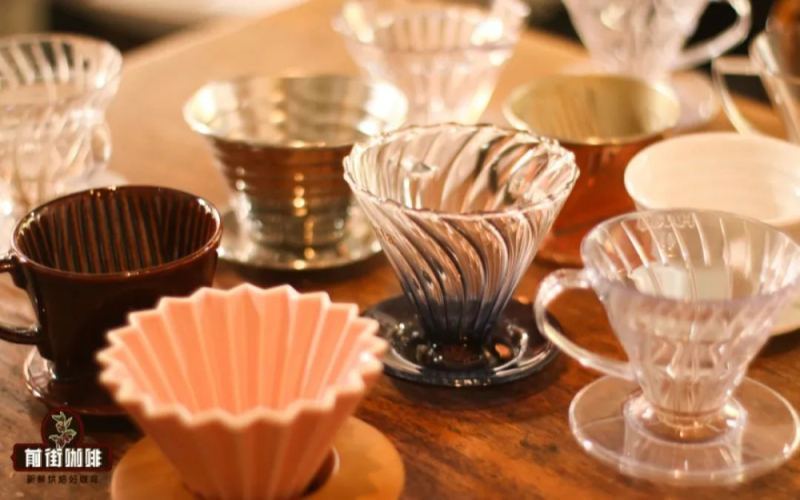
Should pour-over parameters be adjusted according to differences in dripper shape and flow rate?
In the practice of pour-over coffee, many enthusiasts directly apply common brewing frameworks, such as controlling the total extraction time to around two minutes. But in actual brewing, the same parameters may show significant time deviations due to different drippers. What exactly is going wrong behind this? The shape of the dripper, the size of the holes, and the distribution of the flow-guiding ribs all change the drainage speed, which in turn affects the final flavor. This article compares the measured performance of the V60 and the cake dripper to explore a core question: when facing drippers with different flow rates, must we re-plan the brewing framework? And how should we view the parameter of extraction time? [more…]
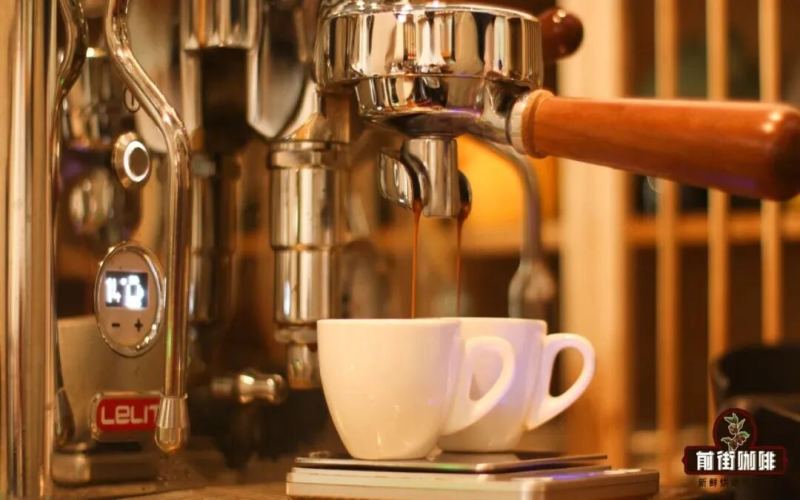
Espresso Preparation | Do Americano and Latte Require Different Parameters for Extracting Espresso? How Can Coffee Beginners Determine Espresso Extraction Parameters?
For friends who enjoy espresso, the purpose of adjusting parameters after startup is often not for the espresso itself, but to see whether the fancy coffee drinks made with it as a base actually taste good—for example, whether the Americano with added water is fragrant enough and whether it will be bitter, whether the latte paired with milk is strong enough, whether it is mellow, and so on. Therefore, espresso [more…]
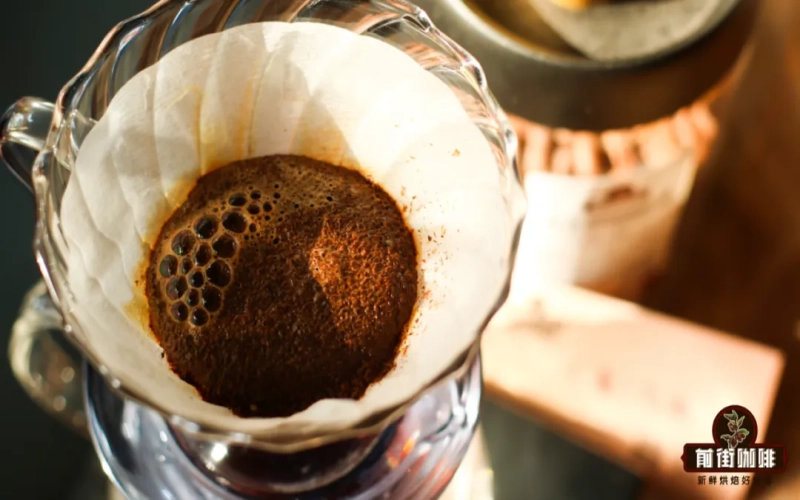
How to Control Pour-Over Coffee Extraction Time? Is 2 Minutes the Golden Standard and How to Respond to Over-Extraction
The brewing duration of pour-over coffee has always been a focal point for enthusiasts: what should you do if the coffee hasn't finished draining after 2 minutes? How long is considered normal for brewing? Starting from Front Street's brewing practice, this article analyzes the impact of time on extraction, explains why 2 minutes is often regarded as a reference standard, and also points out that time is not the only variable. Using light-roasted Huakui and Guodingding as examples, it demonstrates how to match different bean conditions by adjusting water temperature, grind size, dripper, or staged extraction, helping readers understand the importance of parameter coordination rather than obsessing over a single time metric. [more…]
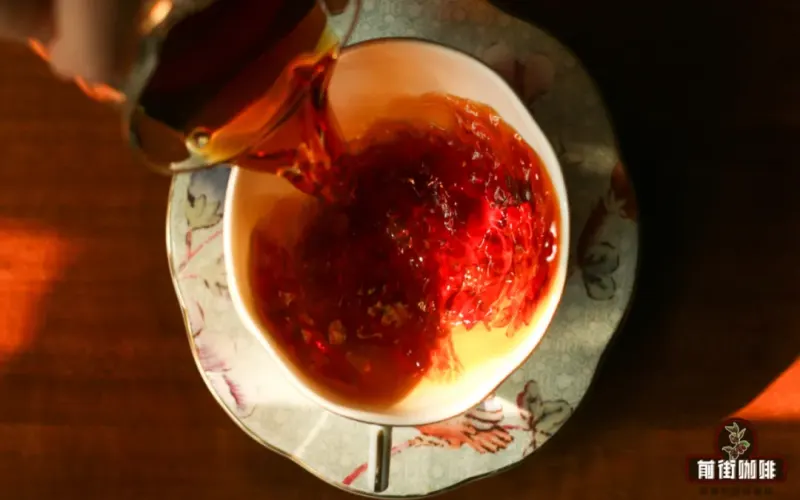
How to Improve the Aroma of Pour-Over Coffee? A Detailed Explanation of the Flavor Window for Single-Origin and Espresso Beans and Extraction Parameter Adjustments
Many coffee enthusiasts who brew pour-over at home often find that the coffee they make falls short of what a café produces, whether in aroma or flavor expression. In fact, the key to recreating a cup of pour-over coffee that is rich in aroma and layered in flavor lies in two core elements: first, using fresh coffee beans that are still within their optimal tasting window; second, achieving full extraction through scientific brewing parameters. Drawing on the practical experience of Front Street Coffee, this article systematically explains the criteria for judging coffee bean freshness, the brewing parameters corresponding to different roast levels, and how to flexibly adjust grind size based on flavor feedback, helping you consistently brew a good cup of coffee with a rich aroma and vivid flavor. [more…]

How to Set Pour-Over Coffee Parameters? A Practical Analysis of Water Temperature, Grind Size, Ratio, and the Simplified One-Pour Method
Many people new to pour-over coffee tend to focus on pouring techniques, but Front Street believes that what really determines whether a cup of coffee tastes good is whether the extraction parameters are reasonable. The differences between single-pour, three-stage, and 4:6 methods are essentially differences in parameter configuration. This article starts from Front Street's practical experience, first sorting out the underlying logic of grind size, water temperature, and ratio, then sharing a simplified approach that requires almost no water-control skill—paired with a cake filter cup, you simply bloom and then pour all the remaining hot water in one go, reliably producing a coffee with balanced sweetness and standout sweetness. Using Front Street Ethiopia Huakui as an example, the article lists in detail a parameter comparison between the conventional three-stage method and this simplified brewing method, making it easy for everyone to reproduce at home. [more…]
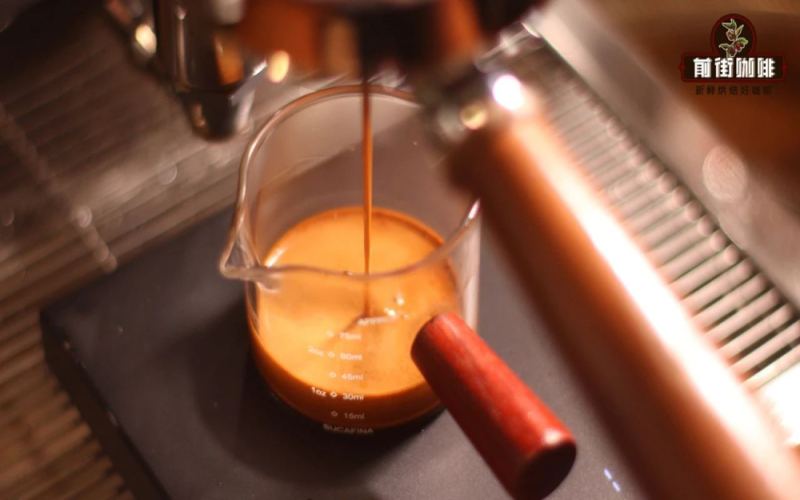
Espresso Extraction Recipe Adjustment Guide: From Grind Size to Dose-Yield Ratio, Quickly Find Great-Tasting Parameters
Making espresso at home with an espresso machine is most frustrating when it comes to dialing in parameters—one careless move and half a bag of beans is gone. Even professional baristas, when facing a new espresso blend, often need to pull seven or eight shots before finding a satisfying flavor. Actually, the key to taking fewer detours and quickly dialing in to a tasty state is to understand what impact each parameter change will bring. Based on Front Street Coffee's hands-on experience, this article sorts out the three major adjustable variables—grind size, dose, and yield—and, combined with the 1:2 brew ratio and 25-30 second extraction framework, teaches you how to judge the grind setting through timing differences, and gives specific adjustment directions for common problems such as burnt-bitterness and short aftertaste. [more…]
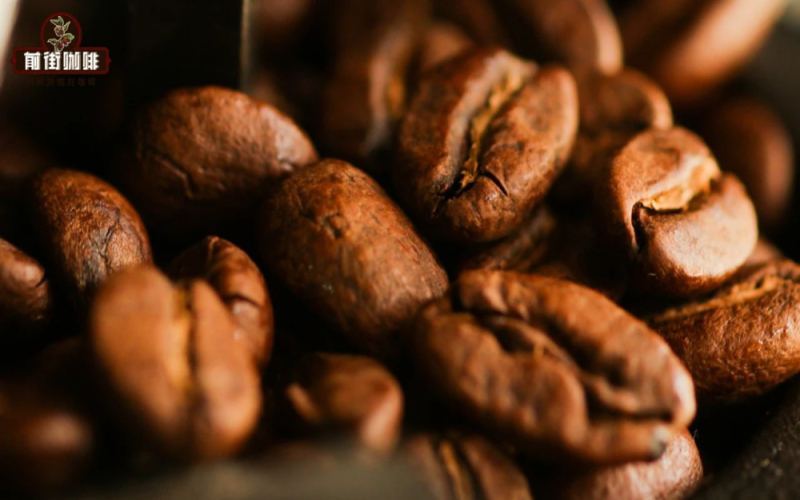
Espresso Extraction Guide: Water-to-Coffee Ratio, Grind Settings, and Key Points for Parameter Adjustment
To consistently pull a delicious espresso at home or in a café, the brew ratio and grind size are two core variables you can't avoid. Drawing on the hands-on experience of Front Street Coffee, this article systematically breaks down the extraction logic of espresso: why parameters need to be re-dialed in every day, how dose and basket should match, what range the ratio should fall within, how flow rate and time constrain each other, and the real impact of pressure and water temperature on flavor. The article also provides a specific extraction recipe and flavor description for Front Street's Sunflower Warm Sun blend, helping readers turn abstract parameters into flavors they can actually perceive in the cup. [more…]

Why Do Freshly Roasted Coffee Beans Need to Rest for Two to Three Days? Brewing Parameters for Fresh Beans and Three Practical Approaches Explained in Detail
Freshly roasted coffee beans often carry a large amount of carbon dioxide and a harsh, dry sensation. Brewing them directly will greatly diminish the flavor, and the cup will not be smooth enough to drink. This article addresses this common problem by outlining three practical solutions for dealing with fresh coffee beans: first, accelerating gas release through degassing; second, adjusting parameters such as water temperature, grind size, and blooming time to improve extraction efficiency; and third, adopting immersion-based extraction, which has a higher margin for error. Using Front Street Ethiopia Hamashu coffee beans as an example, the article provides specific details on dose, water temperature, coffee-to-water ratio, and staged pouring demonstrations, and compares the flavor differences under conventional parameters, helping coffee lovers brew a relatively excellent cup even when they are impatient to drink it. [more…]

Analyzing the Causes of Astringency in Pour-Over Coffee: Under-Extraction or Over-Extraction? Brewing Parameters and Operational Tips for Light-Roasted Beans
Many coffee enthusiasts encounter astringency in their coffee during pour-over brewing. Some believe this is a matter of bean quality, but in reality, the brewing process is often the key factor. Starting from the causes of astringency, this article analyzes the relationship between polyphenolic compounds and the degree of extraction, explaining why under-extraction is more likely to cause pronounced astringency. At the same time, for light-roasted coffee beans, it provides a reference brewing parameter scheme, including key points such as coffee dose, coffee-to-water ratio, water temperature, grind size, and extraction time. Combined with the example of Front Street Coffee Yirgacheffe Gutingding, it helps readers understand how to improve coffee flavor by adjusting parameters. [more…]
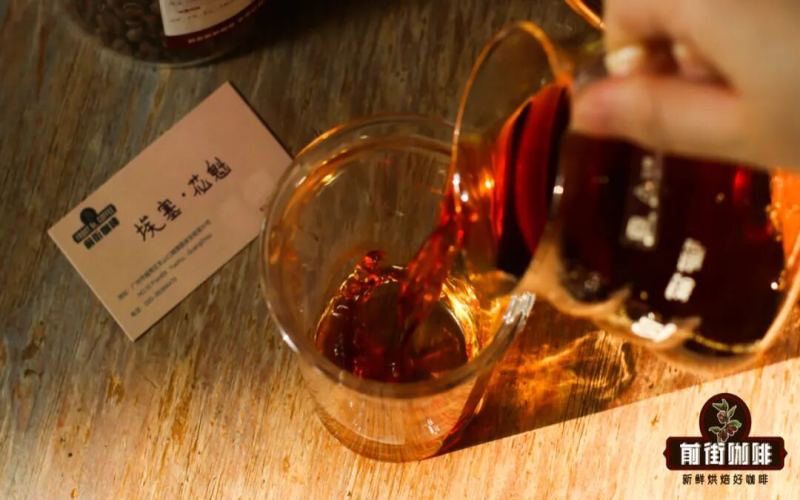
Brewing Time | How Long Does It Take to Make a Pour-Over Coffee? Does a Longer Coffee Extraction Time Make Pour-Over Coffee Taste Better?
Many people, when preparing instant noodles, strictly follow the "scientific instant noodle method," using a stopwatch to steep the noodles in 100°C boiling water for exactly 3 minutes, all to achieve the best possible texture. Similarly, when brewing coffee, we also time it precisely, with the same goal: to consistently brew a delicious cup of coffee. [more…]
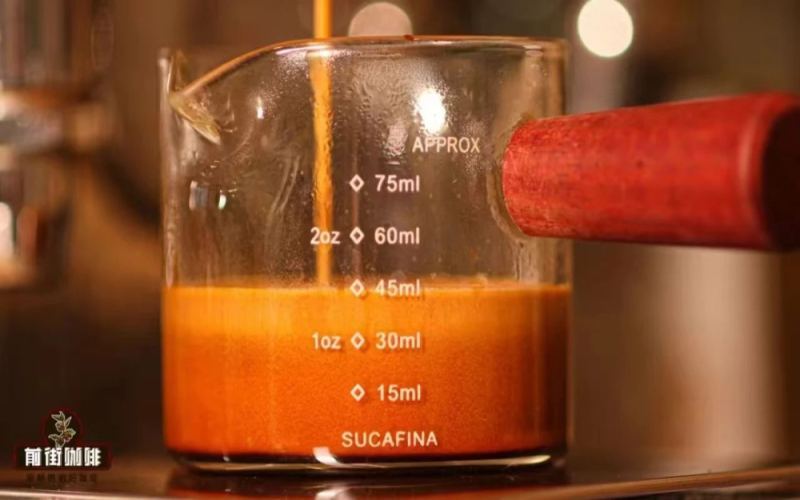
A Complete Analysis of Espresso Extraction: Parameter Control and Flavor Performance from Brew Ratio to Grind Size
Espresso, with its golden crema and rich, full-bodied flavor, has become a favorite among many coffee lovers. Unlike pour-over, it uses steam pressure to force hot water quickly through a puck of coffee grounds, extracting a concentrated liquid in a short time. Behind this seemingly simple operation, parameters such as dose, yield, time, and grind size all influence one another, and even a slight change can affect what ends up in the cup. This article will systematically outline the extraction principles of espresso, analyze the relationship between brew ratio, extraction time, and grind coarseness, and, using the examples of Front Street Coffee's Sunflower Warm Sun Blend and Classic Italian Blend, explain how to adjust parameters based on flavor feedback, helping you consistently make a delicious espresso at home. [more…]
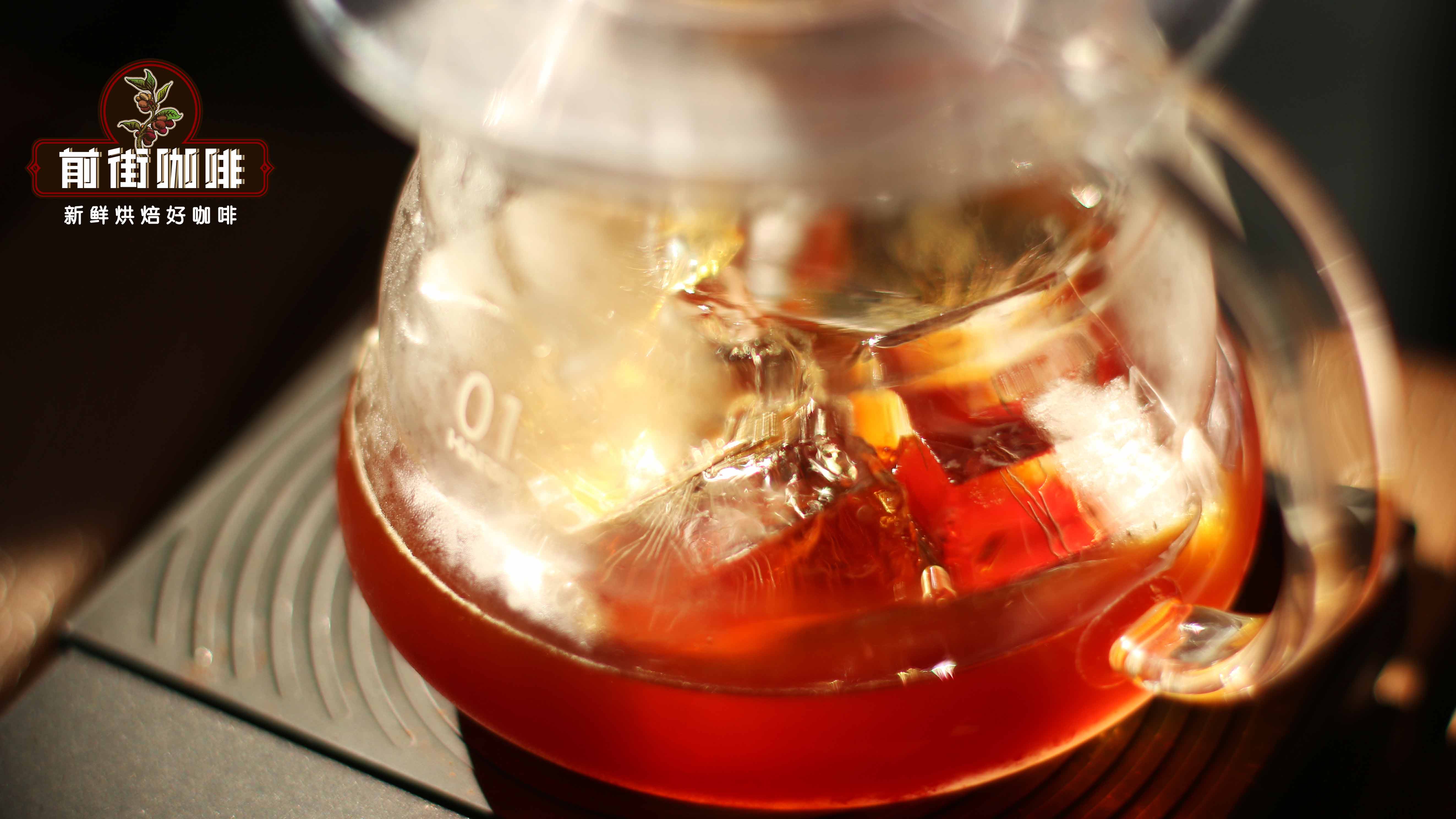
A Complete Guide to Making Iced Pour-Over Coffee: Ratios, Parameters, and Brewing Steps for Rapid-Chill Extraction
Iced pour-over coffee is not simply pouring hot coffee over ice cubes, but a brewing method known as "flash-chilled pour-over"—using ice to rapidly cool the hot coffee liquid in a short time. However, if you directly use the parameters of a regular hot pour-over, the final product often becomes weak and tasteless. To solve this problem, you need to adjust three core parameters: coffee-to-water ratio, grind size, and water temperature. Front Street has summarized a practical formula: coffee grounds (fine grind) + 10 times hot water + 5 times ice. This article will break down the adjustment logic of iced pour-over in detail, offer suggestions on choosing a dripper and coffee beans, and use an Ethiopian natural bean as an example to provide complete brewing parameters and staged pouring steps. [more…]